

The Top 6 Templates Every Small Business Should Have
As a business owner, so much of your day is spent on repetitive and tedious tasks. It may seem like that’s all you do on some days. But when you use templates for different parts of your business, you can save time and make your processes run more smoothly.
Templates are ready-made documents and formats that provide a starting point for a project or task. They help you save time, ensure consistency, and help to avoid any errors or mistakes. Since the outline is already made, it’s easy to add or edit information whenever you need.
Let’s take a closer look at a few essential templates every business should have on hand.
Letterhead
A letterhead is the heading found at the top of your documents, like proposals, invoices, job offers, and other legal documents. Letterheads should include:
The business name
Logo
Contact information
Website
It’s important to have letterheads for your documents as it keeps them looking professional, establishes your brand identity, and builds credibility. However, make sure to only choose one to three brand colors to avoid overwhelm. Also, consider adding icons or graphics, depending on the document’s purpose and its intended audience.
Business Plan
Your business should have a business plan template that summarizes the key information of your brand and gives an overview of your company. These also show how you’ll reach your goals and what value you offer to potential investors and partners. Business plans also provide structure, promote clarity, and act as a guide for yourself and the others in your business.
Business plans should include:
A company description
An overview of the industry
A marketing plan
An introduction to your management team
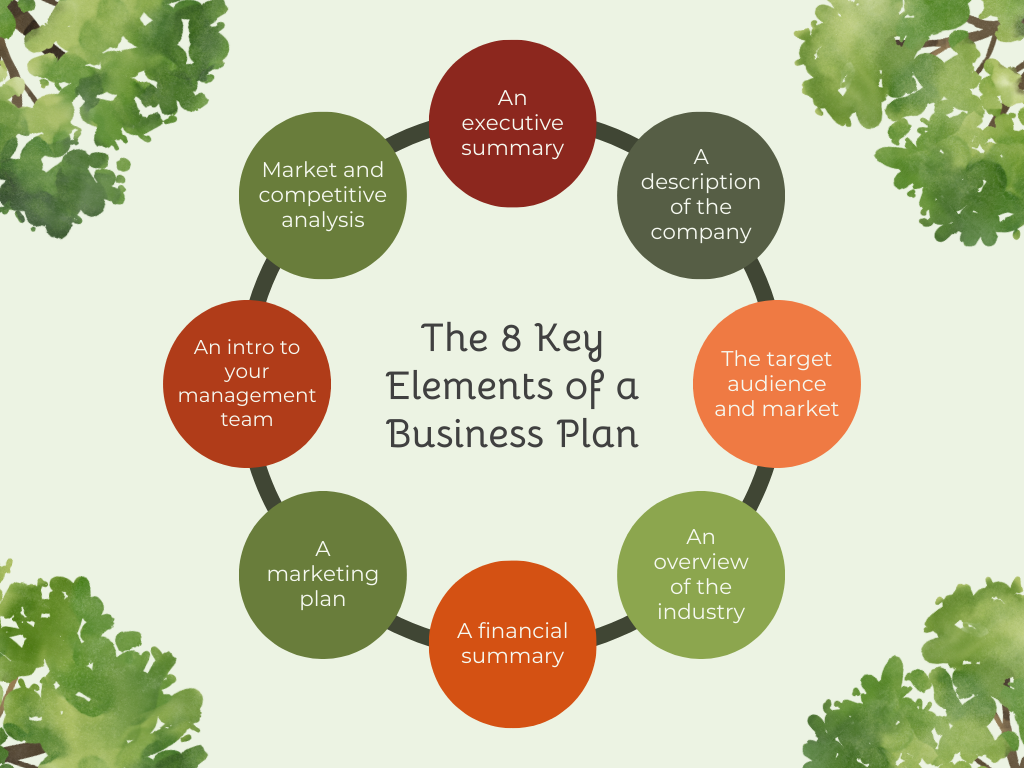
Your business plans should be reviewed and updated regularly, so having a template ready to go will help save you time and keep everything updated easily.
Financial Reports
Financial reports are documents that businesses create to record their finances and track operations. They are great for showing investors, creditors, management, and other parties how your business is doing.
There are various types of financial reports you should have ready to use for your business, but the three key reports are:
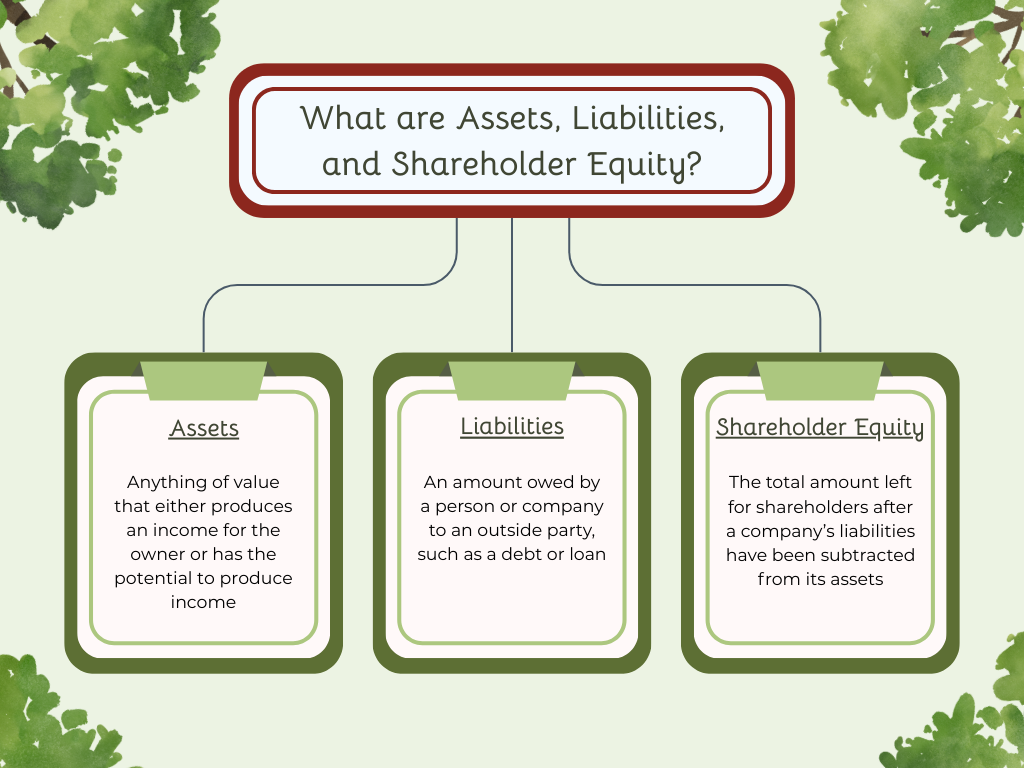
Balance sheets: show a company’s assets, liabilities, and shareholders’ equity
Income statements: show an overview of the company’s revenues, expenses, net income, and earnings per share over a certain period of time
Cash flow statements: show the movement of cash in and out of the business over a certain period of time
Invoice
An invoice is a customizable document that is used to bill customers for goods or services and helps both parties understand what to expect. Each invoice should include:
The date of the invoice
The invoice number
The company’s name, email, phone, and address
The client’s name, company, and contact information
An itemized description of the products or services
Pricing broken down by item, with the sub-total and total amounts listed
The terms of payment and payment instructions
A section for additional notes
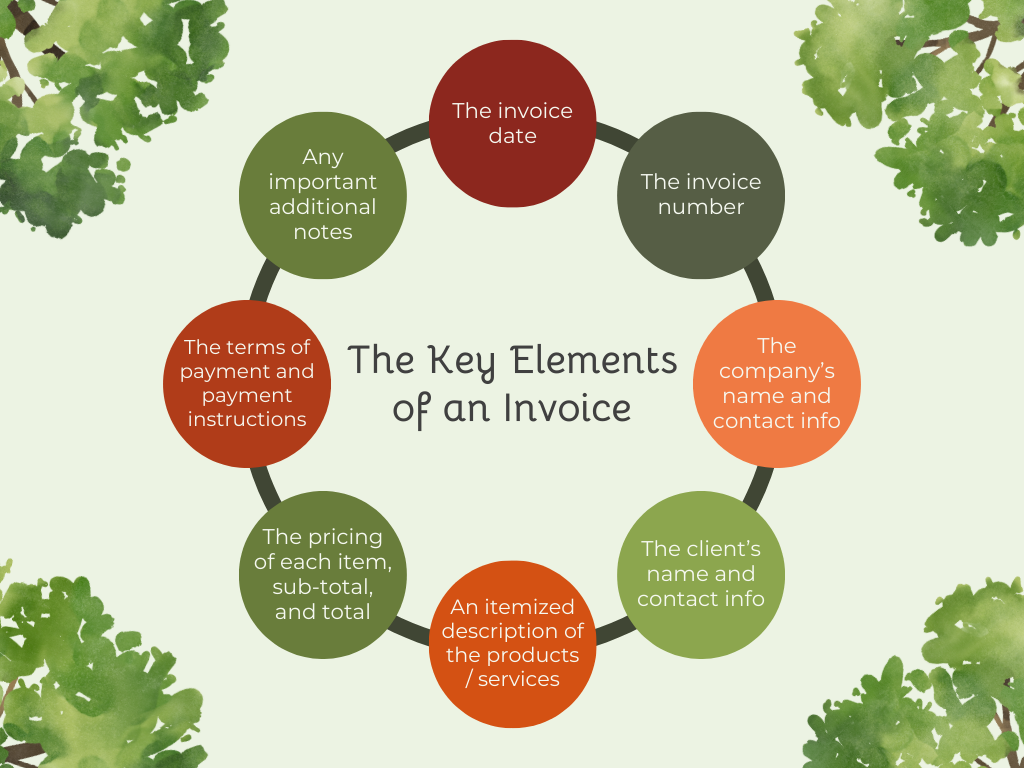
Your invoices should be branded and incorporate your colors, fonts, and other identifiable information.
Contract
Contracts are legally binding documents that establish the terms, conditions, obligations, and rights between the parties involved. While contracts will include information similar to what you’d find on an invoice, they are more detailed and also include definitions of key terms, statements of purpose, obligations of each party, warranties, boilerplate provisions, and any other necessary attachments. Having a contract helps to prevent disputes and keeps things clear.
Marketing Plan
A marketing plan outlines your marketing and advertising goals, objectives, and efforts over a period of time. It includes information about the various channels and campaigns you will be using, as well as any content ideas or schedules you may need to follow.
Your marketing plan should always include an executive summary, a SWOT analysis, the business initiatives, and customer and competitor analysis. There are also different types of specific plans you may need to include, like
A social media plan
A content plan
An SEO plan
Work Smarter, Not Harder With Templates
By using templates in your business, you can create more efficient, organized, and consistent workflows. Templates take the guesswork out of repetitive tasks and free up valuable time you can use to focus on serving your customers and other more important things. With the right templates in place, you’ll be better equipped to grow with confidence and ease, making it that much easier to keep your business running smoothly.